
遗失的世界
GT Voice: China-S.Korea 'cool' trade flourishes amid heat waves_我的网站

A |
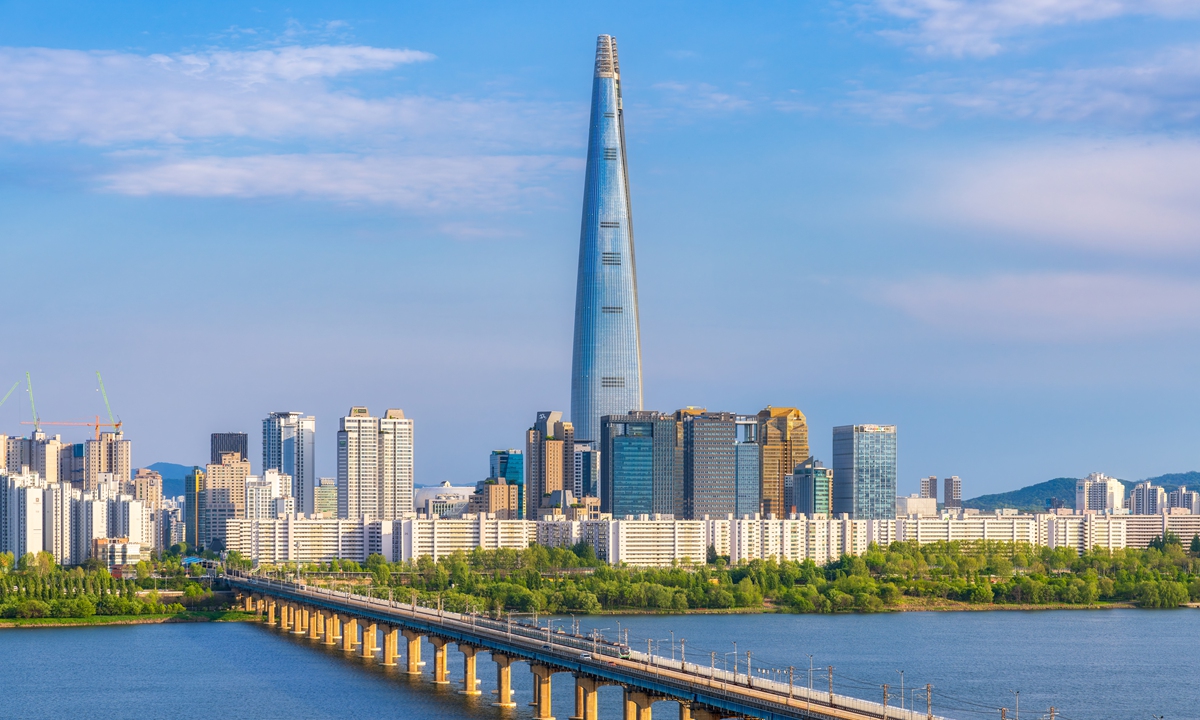
South Korea is grappling with scorching heat waves this summer, with temperatures soaring above 40 C in its capital city of Seoul for the first time since 2018. The extreme weather has dominated newspaper headlines lately, which has wreaked havoc on the people's health and agricultural production there.
For instance, with mass die-offs at the country's fish farms and catches declining, seafood prices are trending higher, according to South Korean media reports. Meanwhile, South Korean consumers' demand for cooling products is surging.
Against this backdrop, the unique strengths of China-South Korea economic and trade cooperation - characterized by flexible responses and regional short-chain supply arrangements - have been fully demonstrated.
Unlike countries in Europe and elsewhere in the West, or regions that rely on long-distance transportation, China and South Korea share geographical proximity and mature cross-border logistics system. Built through years of in-depth industrial collaboration, their circulation network drastically shortens supply chain routes and turnover cycles, delivering vital response in time of need.
Since the onset of the summer heat waves, a diverse array of Chinese-made goods - frozen beverages, portable handheld fans, pet cooling accessories and others - has flowed to the South Korean market. The rapid replenishment has provided relief to South Koreans grappling with soaring temperatures.
The "cool" trade that has blossomed between the two countries is fundamentally a story of mutual benefit and complementary strengths. While Chinese cooling supplies enter the South Korean market, Chinese consumers' demand for South Korean summer cosmetics and personal care products is heating up too. These two seemingly separate trade flows essentially reflect the deep-seated trade complementarity between the two neighbors.
Since the beginning of summer, "cool-feeling" cosmetics have become a shopping hit among Chinese consumers. Many South Korean products, featuring lightweight textures, durability and sweat-proof performance, have won growing market popularity.
The two-way trade flow is rooted in the alignment of the two countries' industrial structures and consumer needs, allowing both consumers to access what they require in the trade of "cool products" and achieve mutually beneficial outcomes.
The structural underpinnings of this synergy run deep. China's strength in agricultural production, cold‑chain infrastructure, and large‑scale manufacturing complements South Korea's prowess in beauty product research and development, good quality control and sophisticated brand operation. Most importantly, their geographical proximity allows such industrial complementarity to flourish.
From a broader perspective, global climate change seems to continue interfering with economic life in increasingly unpredictable ways. Caught in this dual pressure of escalating climate shock and global industrial restructuring, the significance of regional economic cooperation is being redefined. It is no longer limited to expanding market access and cutting operational costs; instead, it is deeply tied to safeguarding people's basic livelihoods in time of sudden unexpected disruptions.
The shortened transportation window brought by geographical proximity boosts the supply chain's response speed, enabling it to swiftly counter market volatility triggered by sudden emergencies.
The deep industrial integration that China and South Korea have nurtured over the past decades across sectors including electronics, beauty, agricultural products and cold-chain logistics has laid an exceptionally solid foundation for bilateral cooperation.
Currently, global supply chains are facing shocks from geopolitical conflicts, rising trade barriers as well as surging extreme weather patterns, leaving many long-distance global supply chains increasingly fragile and prone to sudden breakdowns.
The short-chain cooperation between China and South Korea has demonstrated that, in the era of growing uncertainties in the world, tapping deeper into regional industrial complementary advantages and building more stable and flexible cross-border industrial and supply chains is both an efficient choice to reduce circulation costs and a practical path to fend off risks to ensure industrial stability and protect people's livelihood.
。

B | 8月20日,北京通州区一处居民住宅发生火情。本次火情处置中,得益于联网式独立烟感报警器的精准快速预警,微型消防站快速接警、主动响应、高效处置,成功将初期火情快速扑灭,有效避免小火酿成大灾,切实保障了居民居家安全。 8月20日18时21分,通州区一居民住宅室内联网式独立烟感报警器自动触发预警,微型消防站第一时间接收预警信息,精准锁定起火位置,迅速启动应急处置程序。 接到智能烟感预警后,微型消防站立即开展前置处置工作,快速集结消防救援人员赶赴现场核查处置,依托“智能烟感提前预警、微型站就近快处”的基层消防防控模式,牢牢抓住火灾处置黄金时间。赶赴现场途中,微型消防站持续研判现场情况,确认住户卧室床铺被褥起火,燃烧产生大量浓烟,存在安全隐患,随即全力开展应急处置。 经现场勘查,本次火情系户主卧床吸烟不慎引燃被褥所致,现场过火面积约1平方米,无人员伤亡。现场救援人员第一时间将户主疏散至室外安全区域,杜绝人员意外受伤,随后利用现有器材快速扑灭明火。 本次火情能够快速成功处置,联网式独立烟感报警器与微型消防站联动防控体系发挥了关键性作用。在此消防部门提示:本次案例充分验证了联网式独立烟感报警器在家庭火灾防控中的重要作用。烟头阴燃引发的火灾具有隐蔽性强、初期无明火、蔓延速度快、不易察觉等特点,极易在无人察觉、人员疏忽的情况下扩大灾情。联网烟感设备可24小时实时值守,第一时间捕捉烟雾信号并推送预警信息,彻底补齐居家防火的“预警短板”。广大居民尤其是老旧小区住户、独居老人、特殊人群家庭,应当规范安装联网式独立烟感报警器,定期检测设备运行状态,确保设备正常联网、有效预警,以智能技防替代人工巡查,实现火灾“早发现、早预警、早处置”。同时,居民要坚决杜绝卧床吸烟、酒后吸烟、室内随意丢弃烟头等危险行为,养成安全用火的良好习惯;针对特殊人群家庭,家属需强化日常看护,严格管控室内火源。依托智能监测+微型消防站就近处置的闭环防控体系,持续筑牢基层消防安全防线,全面提升辖区居家火灾防控能力,从源头防范化解家庭火灾风险,共同守护居家消防安全。(陈硕)版权申明:凡注有“”或电头为“”的稿件,均为独家版权所有,未经许可不得转载或镜像;授权转载必须注明来源为“”,并保留“”的电头。 。
Current article:http://67w2.gamajionghuanmuniuzhuanguchu.cyou/news/20260826_6119761.html
Published on:06:47:20
相关新闻
- 詹姆斯妻子讲诉她和詹姆斯的感情,没有她,詹姆斯就不会加盟76人
- 2025年618活动什么时候开始:今晚20点正式开始!淘宝京东618活动于5月30日20点开始持续到6月20日结束!
- R Ashwin ने IPL से लिया संन्यास,उधर वाइफ प्रीति हुईं रोमांटिक, जिस अंदाज में ट्रिब्यूट दिया वो हो गया VIRAL
- Chinese authorities order local probe, nationwide market check over wholesaler using formaldehyde to keep cabbages fresh: report
- 不加入美对伊朗“经济战”就将被制裁?外交部回应
- 被指挖走高净值玩家 滨海湾金沙向前总裁下“禁客令”
- 最新公告!贵阳市开通涉疫不良信息举报平台!附举报网址_谣言_传播
- 总理轻微改组内阁,David Seymour将负责管理一项备受争议的法案
- 19岁郑钦文温网闯入第三轮 李娜“接班人”全速前进
- “올해도 예매 전쟁”…경복궁 야간관람, 주말·추석 연휴 매진
最后更新
- 厦门文旅直通车开进闽宁镇
- Seven Tonnes of Radioactive Water Reportedly Leaked at 3rd Reactor of Japan's Mihama NPP
- 中国跳水“梦之队”戴上“百金”桂冠
- Weather Update: दिल्ली-NCR में अभी नहीं थमेगी बारिश, कैसा रहेगा यूपी-बिहार समेत बाकी राज्यों का हाल?
- 冲刺四季度丨抚顺高新区:以实干之姿奋战主战场
- 央行8月14日将开展10000亿元买断式逆回购操作
- 中国人民银行将在香港发行300亿元中央银行票据
- 首发2nm M6芯片!苹果全新Mac mini发布:6999元起
- 运往俄罗斯的铁路货物关税,中国大幅上调,但责任真不在我们
- 孙炜东:更加联通和更具活力的中国—中亚,有利于促进亚洲共同发展繁荣
热门新闻
- 五层楼高树倒压毁货车 车顶凹陷玻璃碎
- 又到过敏季,“氯雷他定”突然火了!医生提醒→
- Chinese short-drama platform moves to curb 'copy-paste' AI faces
- BIG6主帅音乐偏好:瓜帅是酷玩乐队铁粉,阿莫林迷上《乡村路》
- 克劳福德:三球与爱德华兹化学反应非同一般
- CDPR CEO 谈《巫师 4》:超 500 人倾力打造,迄今最大、最大胆、最具雄心作品
- 华为召开鸿蒙智家技术沟通会,多款智能家居新品亮相
- ‘국정농단’·‘드루킹’ 성과… ‘스폰서 검사’는 낙제 [심층기획-‘특검공화국’의 그늘]
- 两年后,从梅溪湖到含浦仅需5分钟_梅浦_隧道
- India Calls for Early Resolution of ‘Outstanding’ Border Issues with China