一 | On 11 May 1970, Bombay (now Mumbai) saw the stars of Hindi cinema gather to celebrate films from 1969 at the 17th Filmfare Awards. Amongst the biggest winners that night was Aradhana, a romantic drama directed by Shakti Samanta. On Sharmila Tagore's birthday, we look back at the iconic wins of the movie, including Sharmila Tagore's win in the Best Actress category. Aradhana was released on 7 November 1969 in Hindi. It starred Rajesh Khanna and Sharmila Tagore in lead roles. The story mixes romance, sacrifice, identity, and strong emotions. Vandana (Sharmila Tagore) falls in love with Arun (Rajesh Khanna), who is an Air Force pilot. After Arun’s death in a crash, Vandana must face stigma, raise her son against odds, even when forced to give him up. She then becomes his caretaker later in life without revealing she is his mother. Over time, the film shows her silent strength and love. At the 17th Filmfare Awards, Aradhana led the nominations with 9 nods. It won Best Film, and Sharmila Tagore won her first (and only) Best Actress award for her role as Vandana. Meanwhile, Rajesh Khanna was nominated for Best Actor for Aradhana, but the award went to Ashok Kumar for Aashirwad. Take a look at this: View this post on Instagram A post shared by Filmfare (@filmfare) Other highlights: Anokhi Raat won four Filmfare awards, including Best Screenplay and Best Dialogue. Aradhana also gained praise for its music: songs like Mere Sapno Ki Rani became iconic. The film quickly became a blockbuster, not just in India, but also in the Soviet Union. It marked the rise of Rajesh Khanna as a superstar, and it firmly established Sharmila Tagore’s status among leading actresses. Looking back to the 17th Filmfare Awards, Aradhana remains a landmark, not just for awards, but for stories that touch the heart. As Filmfare returns with new celebrations, it’s worth remembering how films like Aradhana shaped the legacy, melding romance, strength, music, and unforgettable performances. See Also:Filmfare Flashback: Throwback to the First Filmfare Awards ft. Dilip Kumar and Meena Kumari。
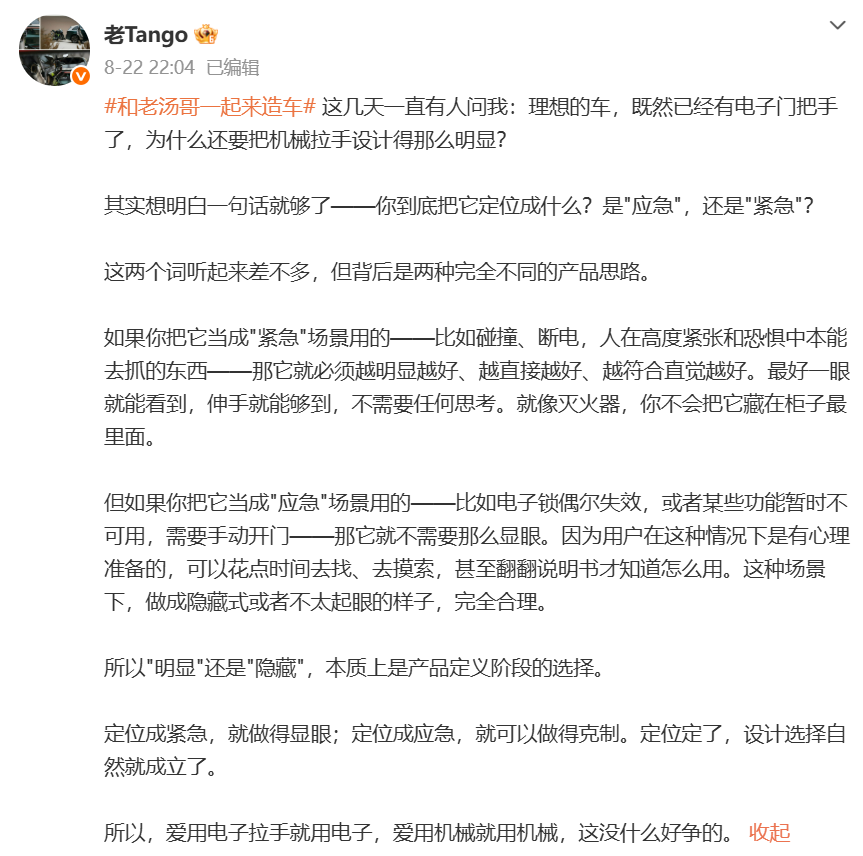 汤靖表示,关键在于区分“应急”与“紧急”两种场景。“如果你把它当成‘紧急’场景用的——比如碰撞、断电,人在高度紧张和恐惧中本能去抓的东西——那它就必须越明显越好、越直接越好、越符合直觉越好。最好一眼就能看到,伸手就能够到,不需要任何思考。就像灭火器,你不会把它藏在柜子最里面。”
而“应急”场景(如电子锁偶尔失效)下,用户有心理准备,可以花时间去找、去摸索,因此可以设计得不那么显眼。汤靖总结称,这本质上是产品定义阶段的选择,“爱用电子拉手就用电子,爱用机械就用机械,这没什么好争的”。这一讨论的背景是,2026年2月,工信部发布的强制性国家标准《汽车车门把手安全技术要求》(GB 48001—2026)已正式批准,将于2027年1月1日起实施,要求每个车门必须配备可机械开启的车门外把手和车内门把手。据公开报道,因隐藏式门把手安全隐患,相关车型召回规模已达400万辆。
Current article:http://67w2.gamajionghuanmuniuzhuanguchu.cyou/zzo5n48/qm4lo.html
Published on:05:58:00
 美国计划让因伊朗战事撤离中东的外交官返岗
待产孕妇跳楼身亡
美国计划让因伊朗战事撤离中东的外交官返岗
待产孕妇跳楼身亡
 土耳其威胁:不接受条件就动手
会痛的十七岁
土耳其威胁:不接受条件就动手
会痛的十七岁
 京东外卖超时罚错扣70%客服推诿处理没进展
低俗怪谈
京东外卖超时罚错扣70%客服推诿处理没进展
低俗怪谈
 生意社2026年8月26日镍行情观点:震荡
情牵两世
生意社2026年8月26日镍行情观点:震荡
情牵两世
 Dengue sweeps Sri Lanka
请回答1997
Dengue sweeps Sri Lanka
请回答1997
 庞大的年度名单,又一次成功的营销
上门女婿
庞大的年度名单,又一次成功的营销
上门女婿
 微信
微信
 移动端
移动端